Expert Driveway Pressure Wash Techniques for a Pristine Finish in 2025
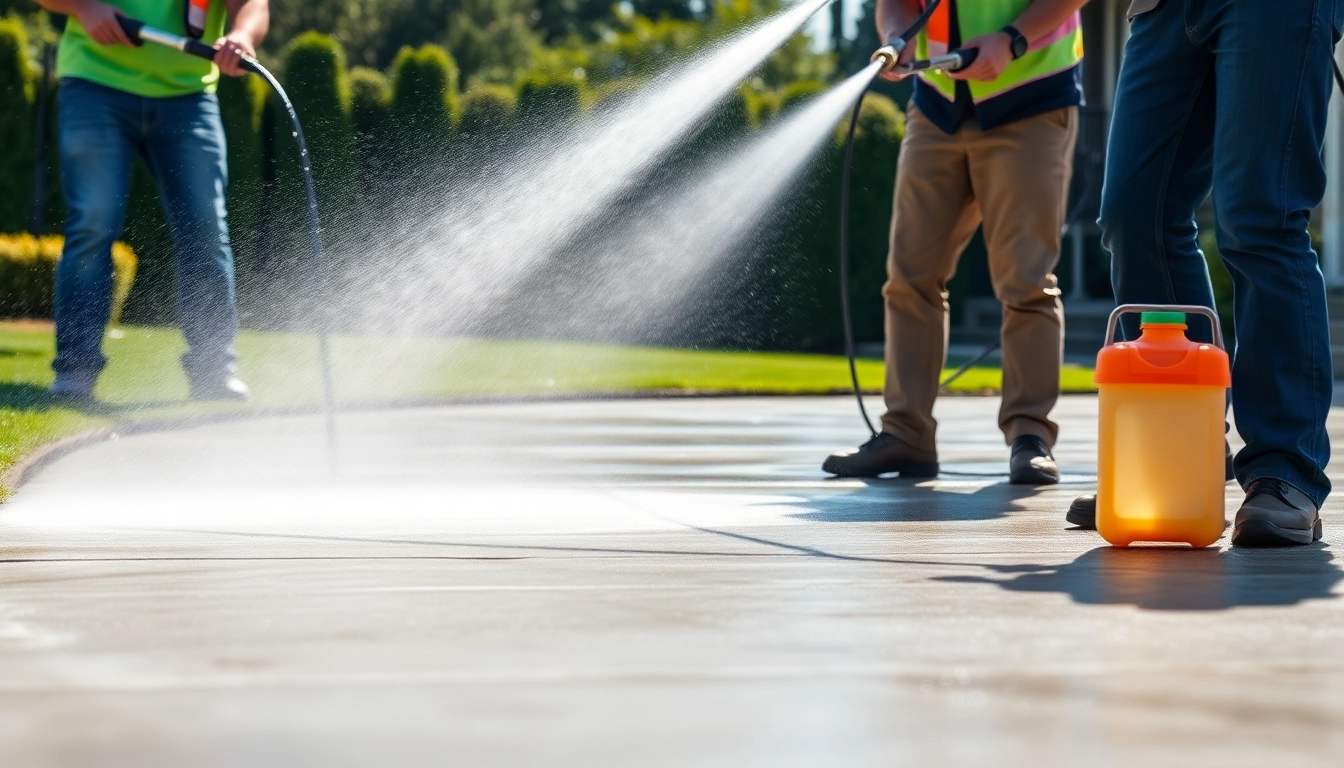
Understanding Driveway Pressure Washing
Driveway pressure washing is an essential service for maintaining the aesthetics and longevity of your property’s exterior. It involves the use of high-pressure water jets to clean surfaces, effectively removing dirt, grime, mold, and other contaminants that accumulate over time. With the evolving standards in cleanliness and curb appeal, homeowners are increasingly turning to professional services for driveway cleaning. When exploring options, Driveway pressure wash services can provide comprehensive insights into the best practices and techniques available today.
What is Driveway Pressure Wash?
Driveway pressure washing is a specialized cleaning process that uses high-pressure water to eliminate stubborn stains and debris from concrete, asphalt, and other driveway materials. This method not only enhances the appearance of driveways but also serves to prolong their lifespan. The process is effective in removing oil stains, tire marks, algae, and moss, which can become slippery when wet and pose a safety hazard.
Benefits of Professional Driveway Cleaning
- Enhanced Curb Appeal: A clean driveway improves the overall look of your property, making it more inviting to guests and potential buyers.
- Safety: Removing slippery substances helps to prevent accidents, ensuring the safety of families and visitors.
- Increased Property Value: Regular maintenance, including pressure washing, can increase the value of your home by keeping it looking its best.
- Preventive Maintenance: Regular cleaning can prevent damage that may occur from unchecked mold and mildew growth.
Common Mistakes to Avoid
When it comes to driveway pressure washing, some common mistakes can lead to undesirable results:
- Using Incorrect Pressure: High pressure can damage the driveway surface, particularly for softer materials like asphalt.
- Inconsistent Cleaning Techniques: Skipping areas or not allowing cleaners to sit can result in uneven surfaces.
- Neglecting Safety: Not wearing protective gear can result in injuries from flying debris or chemical exposure.
Key Techniques for Effective Driveway Cleaning
Essential Tools for Driveway Pressure Wash
To achieve optimal results, several tools are necessary for driveway pressure washing:
- Pressure Washer: A unit with at least 2500 PSI is recommended for effective driveway cleaning.
- Surface Cleaner Attachment: This tool helps to cover larger areas evenly without leaving streaks.
- Detergents: Eco-friendly cleaning agents assist in breaking down tough stains and debris.
- Protective Gear: Safety goggles and gloves are essential for protecting yourself while cleaning.
Step-by-Step Pressure Washing Process
- Prepare the Area: Clear the driveway of any furniture, vehicles, or debris.
- Choose the Right Detergent: Select an eco-friendly detergent suitable for your driveway surface.
- Apply Detergent: Use a low-pressure setting to apply detergent evenly across the surface, letting it sit for 10-15 minutes.
- Pressure Wash: Switch to a high-pressure setting and clean the driveway using a consistent pattern.
- Rinse: Thoroughly rinse the entire area to remove any remaining detergent.
- Inspect: Check for missed spots or stains that may need additional attention.
Choosing the Right Pressure Settings
Understanding the right pressure settings is vital for effective cleaning without damaging your driveway. For concrete, a pressure setting between 2500-3000 PSI is generally safe, while softer materials like asphalt may only require 1500-2000 PSI. Always start with a lower pressure and gradually increase it until the desired cleaning effect is achieved.
Environmental Considerations
Using Eco-Friendly Cleaning Agents
When pressure washing driveways, opting for environmentally safe cleaning agents is crucial. Traditional detergents can lead to chemical runoff that harms local ecosystems. Many companies now provide biodegradable options that are just as effective but much safer for the environment.
Water Conservation Techniques
Using water-efficient pressure washers helps to conserve water while still delivering powerful cleaning results. Additionally, incorporating techniques such as using a water reclamation system can significantly reduce the amount of water wasted during the cleaning process.
Regulatory Compliance for Water Use
Different regions may have water-use regulations, especially during drought periods. It’s essential to stay informed about local laws to ensure compliance and avoid penalties while providing pressure washing services.
Commercial vs. Residential Driveway Washing
Differences in Approach and Equipment
While both commercial and residential driveway washing involve similar techniques, the equipment and approach differ significantly. Commercial services often require higher-capacity machines and more robust cleaning solutions due to the extent and type of stains typically found on business properties. These services may also implement more aggressive strategies to tackle oil spills and heavy traffic wear.
Pricing Structures for Services
The cost of driveway pressure washing can vary based on several factors, including location, the size of the driveway, and the type of cleaning required. Typically, residents can expect to pay between $130-$220, while commercial properties might face higher rates depending on the complexity and scale of the job.
Case Studies: Success Stories
Real-life examples can illustrate the benefits of professional driveway washing. For instance, a local restaurant in Kissimmee faced issues with grease stains and pedestrian slip hazards. After a thorough pressure washing service, not only did the restaurant’s curb appeal improve, but they also saw a boost in foot traffic, directly correlating with their clean and safe environment.
Future Trends in Pressure Washing
Emerging Technologies in Pressure Washing
As technology evolves, so does pressure washing equipment. Innovations such as robotic pressure washers are being introduced, allowing for more efficient cleaning without the need for constant human supervision. Additionally, advancements in eco-friendly agents are ensuring cleaner surfaces with lesser environmental impact.
Market Trends for 2025 and Beyond
The pressure washing market is expected to grow significantly in the coming years, driven by increased demand for sustainable cleaning practices and enhancements in customer service. As homeowners and businesses prioritize curb appeal and maintenance, specialized pressure washing services will continue to flourish.
Expert Predictions for the Industry
Industry experts predict an increase in automation and eco-friendly solutions in pressure washing, shaping the future of this essential service. Additionally, businesses that can effectively communicate their eco-conscious practices will likely thrive as consumers place greater value on sustainability.