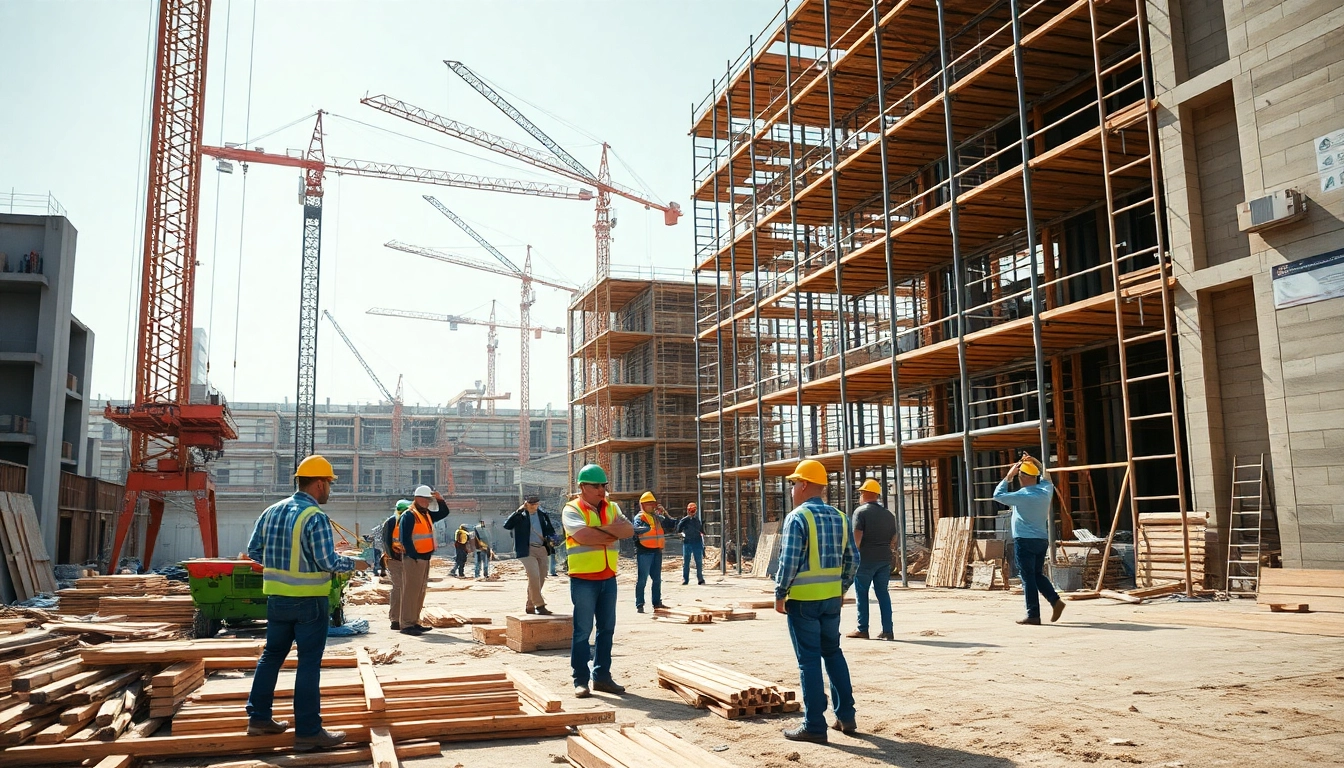
Understanding the Basics of Construction
What is Construction?
Construction is the process of creating and assembling structures, whether residential, commercial, or industrial. It encompasses a variety of activities, including planning, design, site preparation, and actual construction. At its core, construction represents a collaboration of various professionals such as architects, engineers, contractors, and skilled laborers who work towards realizing a shared vision. The scope of construction can range from large-scale infrastructural projects, like bridges and highways, to smaller endeavors, such as residential homes. Each project is unique and reflects the community's needs, regulatory requirements, and aesthetic preferences. To explore more about construction, you can visit construction as a field.
Key Phases in Construction Projects
Construction projects are typically divided into several key phases, each critical to the successful completion of the project. These phases include:
- Pre-Construction: This initial phase involves feasibility studies, cost estimation, project planning, and securing necessary permits. It sets the foundation for all subsequent activities.
- Design: During this phase, architects and engineers create detailed blueprints and specifications that will guide the construction process. This often includes consideration of zoning laws and building codes.
- Construction: This is the actual building phase, where physical work takes place. It includes site preparation, foundation work, and structural assembly. On-site management is vital during this phase to ensure timelines and budgets are adhered to.
- Post-Construction: After project completion, this phase involves inspections, client handover, and addressing any defects or issues that may arise. It is critical for achieving long-term satisfaction and adherence to quality standards.
Common Materials Used in Construction
Construction materials play a pivotal role in the durability, safety, and overall quality of a building project. Some common materials include:
- Concrete: Widely recognized for its strength and versatility, concrete is used in foundations, walls, and pavements.
- Steel: Known for its tensile strength, steel is often used in structural frameworks, reinforcing bars, and roofing systems.
- Wood: A traditional choice for residential construction, wood is favored for its aesthetic appeal and insulation properties.
- Brick: Used for both structural and decorative purposes, bricks offer longevity and fire resistance.
- Glass: Increasingly utilized in facade designs, glass enhances natural light while providing aesthetic value.
Planning and Design in Construction
The Importance of Blueprints
Blueprints serve as the visual representation of a construction project, outlining every element in detail. They facilitate communication among team members, helping to ensure that everyone has a unified understanding of the project's objectives and specifications. A well-prepared blueprint includes floor plans, elevations, and detailed drawings, which aid in preventing costly errors and misunderstandings during the construction phase. Moreover, they play a vital role in obtaining permits and approvals from relevant authorities.
Choosing the Right Design Approach
The design approach can greatly influence the efficiency, cost-effectiveness, and sustainability of a construction project. Common design methodologies include:
- Architectural Design: Focuses on aesthetics and functionality while adhering to the intended use of the space.
- Structural Design: Ensures the building can withstand various loads, focusing on safety and performance standards.
- Environmental Design: Prioritizes sustainability, incorporating materials and techniques that minimize environmental impact.
Choosing a design approach requires collaboration with architects, engineers, and other stakeholders to align with project goals and budgetary constraints.
Integrating Safety Standards into Plans
Safety is paramount in construction, where risks are prevalent due to the nature of the work. Integrating safety standards in the planning phase involves adhering to local, regional, and national regulations. This includes:
- Including safety protocols in blueprints and ensuring adequate spacing and structural integrity in designs.
- Providing safety training sessions for all personnel to promote awareness and compliance with established safety standards.
- Conducting regular safety audits during construction to mitigate risks and address potential hazards proactively.
Techniques and Methodologies in Construction
Traditional vs. Modern Construction Techniques
Construction techniques have evolved significantly over time. Traditional methods often involve manual labor and established practices passed down through generations. Examples include masonry techniques for building brick structures and framing wood for homes. In contrast, modern techniques utilize advanced technologies and materials. Pre-fabrication and modular construction are prime examples, allowing components to be built off-site and assembled on location, increasing efficiency and reducing waste.
Sustainable Construction Practices
Sustainable construction aims to minimize environmental impact while optimizing resource use. Practices include:
- Energy-Efficient Designs: Utilizing natural light, proper insulation, and energy-efficient systems reduces a building's carbon footprint.
- Recycled Materials: Incorporating reclaimed wood, recycled metal, and other repurposed materials conserves resources.
- Sustainable Site Development: Maintaining the land’s natural features helps to prevent erosion and protect local ecosystems.
Using Technology for Efficiency
Technology plays an increasingly vital role in modern construction, enhancing efficiency and productivity. Key advancements include:
- BIM (Building Information Modeling): A digital representation of physical and functional characteristics allows for streamlined planning and collaboration.
- Project Management Software: Tools that facilitate scheduling, resource allocation, and communication among stakeholders.
- Drone Technology: Used for site surveys and inspections, drones provide real-time data collection, enhancing accuracy and safety.
Challenges in the Construction Industry
Addressing Labor Shortages
The construction industry faces significant labor shortages, which can delay projects and inflate costs. Factors contributing to this challenge include an aging workforce and limited interest from younger generations. To combat this, companies need to adopt strategies such as promoting careers in construction through educational programs, offering incentives for skilled labor, and enhancing training initiatives to attract and retain talent.
Managing Budget Constraints
Budget management is critical in construction, where costs can rapidly escalate due to unexpected challenges. Effective strategies include:
- Conducting thorough feasibility studies to create realistic budgets.
- Implementing value engineering techniques that optimize project efficiency without compromising quality.
- Regularly monitoring expenses and cash flow to identify potential overruns early.
Mitigating Environmental Impact
Construction has a significant environmental impact, from resource depletion to habitat disruption. To mitigate these effects, stakeholders can adopt practices such as:
- Conducting environmental assessments to identify potential impacts before beginning the project.
- Using eco-friendly materials and sustainable construction methods to reduce the overall carbon footprint.
- Implementing waste management strategies to recycle materials and minimize landfill contributions.
Future Trends in Construction
The Role of Automation and AI
As technology advances, automation and artificial intelligence will play increasingly transformative roles in construction. Robots may assist with repetitive tasks, while AI can analyze data to enhance decision-making, improve schedules, and predict challenges. This shift could lead to improved efficiency and precision, reducing overall project durations.
Rise of Modular Construction
Modular construction is gaining traction for its potential to minimize construction timelines and costs. The process involves prefabricating building components off-site, allowing for faster assembly once on-site. Given its efficiency, safety, and reduction in material waste, modular construction is likely to become a staple approach in the industry.
Importance of Smart Materials
The advent of smart materials—those that adapt to environmental changes—offers exciting possibilities for construction. These materials can enhance energy efficiency and improve building performance. Examples include self-healing concrete and thermochromic materials that change color based on temperature. As these materials become more affordable, their integration into construction projects is anticipated to rise significantly.
Frequently Asked Questions
What are the main phases of a construction project?
The main phases include pre-construction, design, construction, and post-construction. Each phase has essential steps aimed at ensuring successful project completion.
How can I choose the right construction materials?
Choosing the right materials involves considering factors such as the project's purpose, local climate, durability, and budget. Consulting with experts can aid in making informed decisions.
What is sustainable construction?
Sustainable construction practices aim to minimize ecological impact, using eco-friendly materials, efficient designs, and waste reduction strategies throughout the project lifecycle.
What role does technology play in modern construction?
Technology enhances efficiency in construction through tools like Building Information Modeling (BIM), project management software, and construction automation, leading to improved outputs.
What are the challenges in the construction industry?
Key challenges include labor shortages, budget management, and environmental impact. Addressing these issues requires strategic planning and adopting best practices.